Blooms and Scripture 2

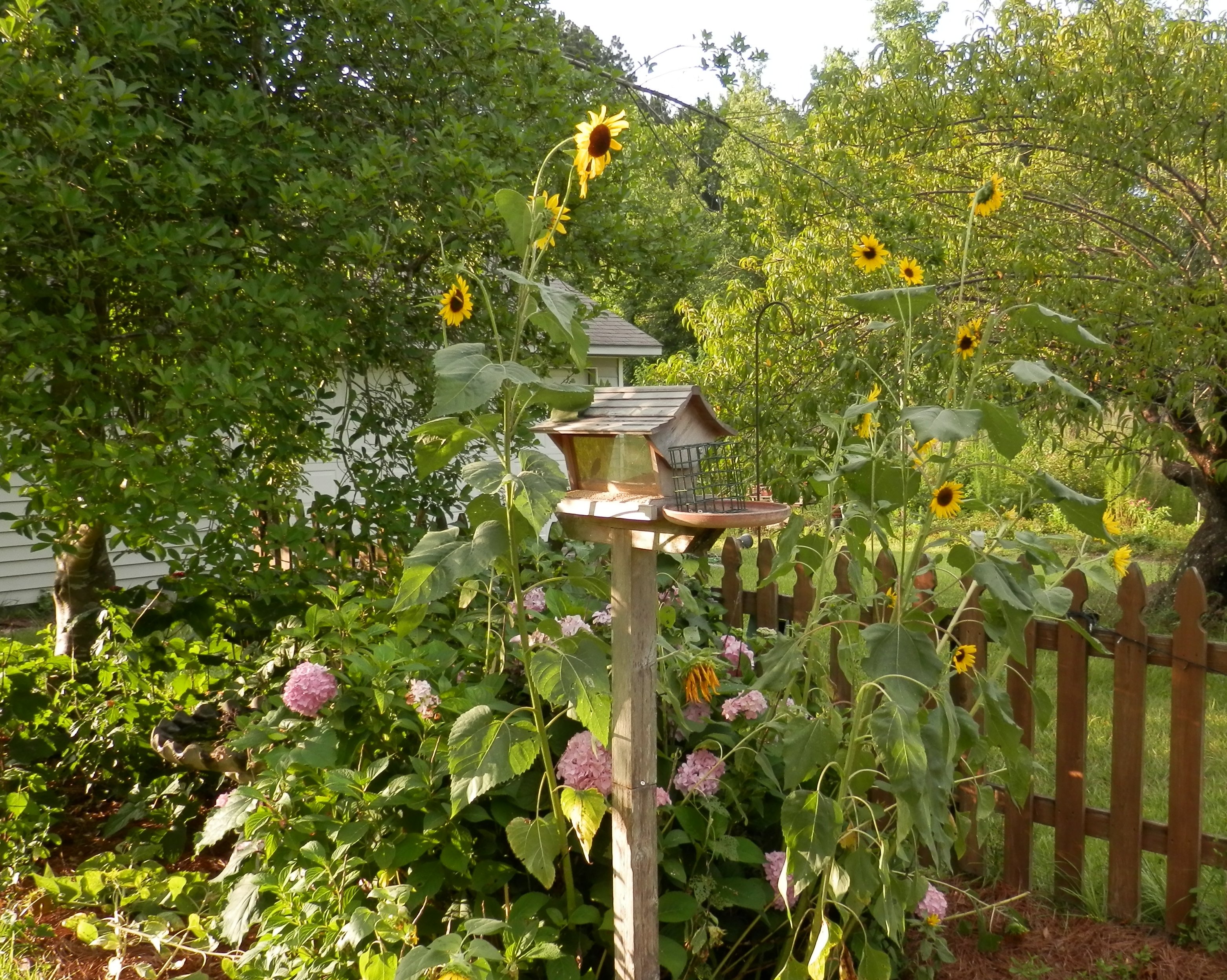
Bird Feeder and Sunflowers II

Bird Feeder and Sunflowers

Psalms 25 – Continued – my favorite section (and a prayer for every day).

“Show me thy ways, O LORD; teach me thy paths. Lead me in thy truth, and teach me: for thou art the God of my salvation; on thee do I wait all the day. Remember , O LORD, thy tender mercies and thy loving kindnesses; for they have been ever of old. Remember not the sins of my youth, nor my transgressions: according to thy mercy remember thou me for thy goodness’ sake, O LORD.” Psalms 25:4-7

Blooms and Scripture 1

The Lone Sunflower

The Lone Sunflower

Going a  couple weeks with no post deserves a few to get going again. Things have been blooming wonderfully, so I’ll post a few “blooms and Scripture”.

A few days of Psalms 25 – one of my favorites!

Unto thee, O LORD, do I lift up my soul. O my God, I trust in thee: let me not be ashamed , let not mine enemies triumph over me. Yea, let none that wait on thee be ashamed : let them be ashamed which transgress without cause.” Pslams 25:1-3

I Wish You Could Smell This – Sweet Savor!

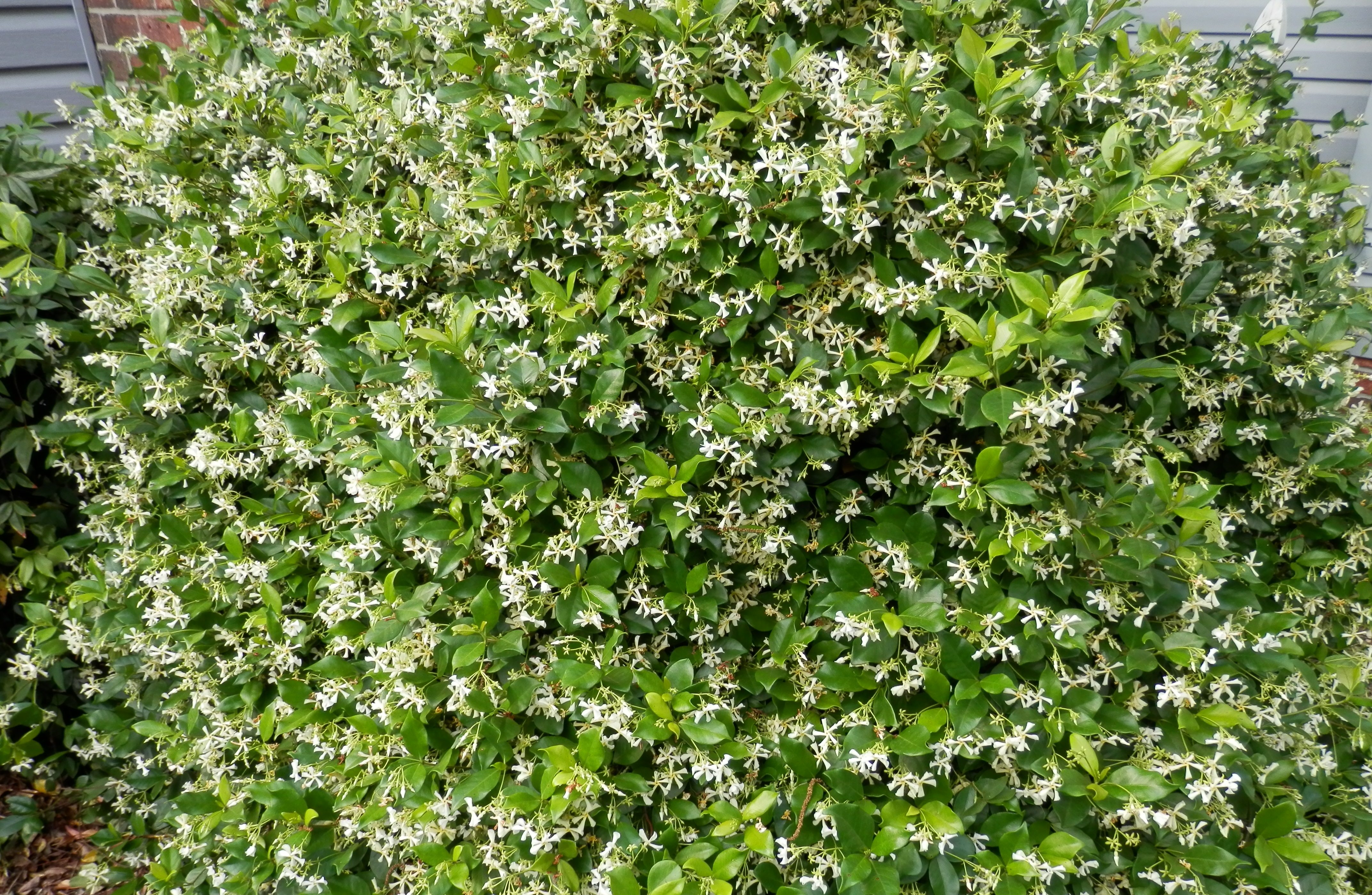
Jasmine in Bloom

Jasmine in Bloom

A “sweet savor” isn’t a common twenty-first century phrase used to describe good smells – but it would appropriately describe the wonderful treat that greets Sharon and me when we go outside these days. The confederate jasmine is in full bloom and super full fragrance. It doesn’t matter which door we exit – the pleasing aroma from the one vine comes over the top of the house or around the corners to reach us.

The phrase is common in the Bible, though, especially in Leviticus. That’s where we get details of the sacrifices required under the Law. The burnt offerings were made “for a sweet savor unto the Lord”. Since God is a spirit (John 4:24), there must be something spiritual about the use of the phrase, rather than an actual physical smell.

We get some insight in Hosea 6:6, when God says: “For I desire mercy and not sacrifice, and the knowledge of God more than burnt offerings“. And, again when Jesus refers to that verse in Matthew 9:13: “But, go and learn what this means: I desire mercy and not sacrifice. For I did not come to call the righteous, but sinners to repentance“.

So, like many things in the Bible, it comes back to the attitude and “heart not just head” perspective (ex: See Sermon on the Mount, and 1 Corinthians 13). God desires we show mercy to others, and know and obey Him rather than just perform the rituals. Jesus didn’t come to call to repentance those who think they’re righteous, but those who know they are sinners.

Our sacrifices to God are not burnt offerings anymore, but our praise, prayer, thanksgiving, obedience and worship are what we offer. And, from reading the verses above, those are what God was looking for all along. However, the burnt offerings were also important back then, or God would not have instituted them. One purpose was to show those making the offerings that they weren’t long lasting – as soon as they finished one, they began preparing for the next. (Perhaps the “sweet savor” was a reminder of that constant need, and God’s “heart” requirements to the people who smelled it).

But, the main purpose was to picture Jesus Christ and the sacrifice He would make (and now has made) for His children. All the many purposes of the different offerings were fulfilled in Jesus. And, there is no more need for any physical sacrifice – He has fulfilled that once and for all.

So, perhaps, we can let the aromas of the jasmines, the roses, the comfort food on the stove, and (add your favorite here)be a sweet savor to remind us to sacrifice our love (from the heart not just the head) to Christ, and remember always what He has done to save us.

he (Jesus) entered once for all into the holy places, not by means of the blood of goats and calves but by means of his own blood, thus securing an eternal redemption (for us).” Hebrews 9:12 ESV
Sure Signs of Faith

Budding Pecan Tree - Sure Sign of Spring

Budding Pecan Tree – Sure Sign of Spring

Want a sure sign that Spring is here? Then, look for the budding pecan  trees. They seem to be the last large trees around here (south Georgia) that bud out.

Want a sure sign of faith? Then look for the huge pecan trees and oak trees around the homesteads in the country. I don’t know how old this tree is, but it’s on the edge of our property and has obviously been there many years. And I do know that whoever planted it is not around to enjoy the fruits of their labor. But, they had the faith to plant it anyway.

That’s even more evident with slow growing live oaks. You can see one oak tree large enough to shade an entire house. Yet, the planters knew they wouldn’t be around when the tree reached that point. Again, they had the faith to plant it anyway – not necessarily for themselves but for generations to come.

Hebrews Chapter 11 is sometimes called the “faith” chapter because it speaks of the faith of a number of saints from Biblical times. Their acts exceeded the simple planting of a tree, but the concepts can be compared. Much of what we do, in faith today, will not have an effect until sometime in the future – whether it be tomorrow, next week, next year – or in a lifetime following ours. Chapter 12 refers to these witnesses (showing faith) and gives us instructions on how to join them as witnesses for the future generations.

Therefore, since we are surrounded by so great a cloud of witnesses, let us also lay aside every weight, and sin which clings so closely, and let us run with endurance the race that is set before us, looking to Jesus, the founder and perfecter of our faith, who for the joy that was set before him endured the cross, despising the shame, and is seated at the right hand of the throne of God.” Hebrews 12:1-2